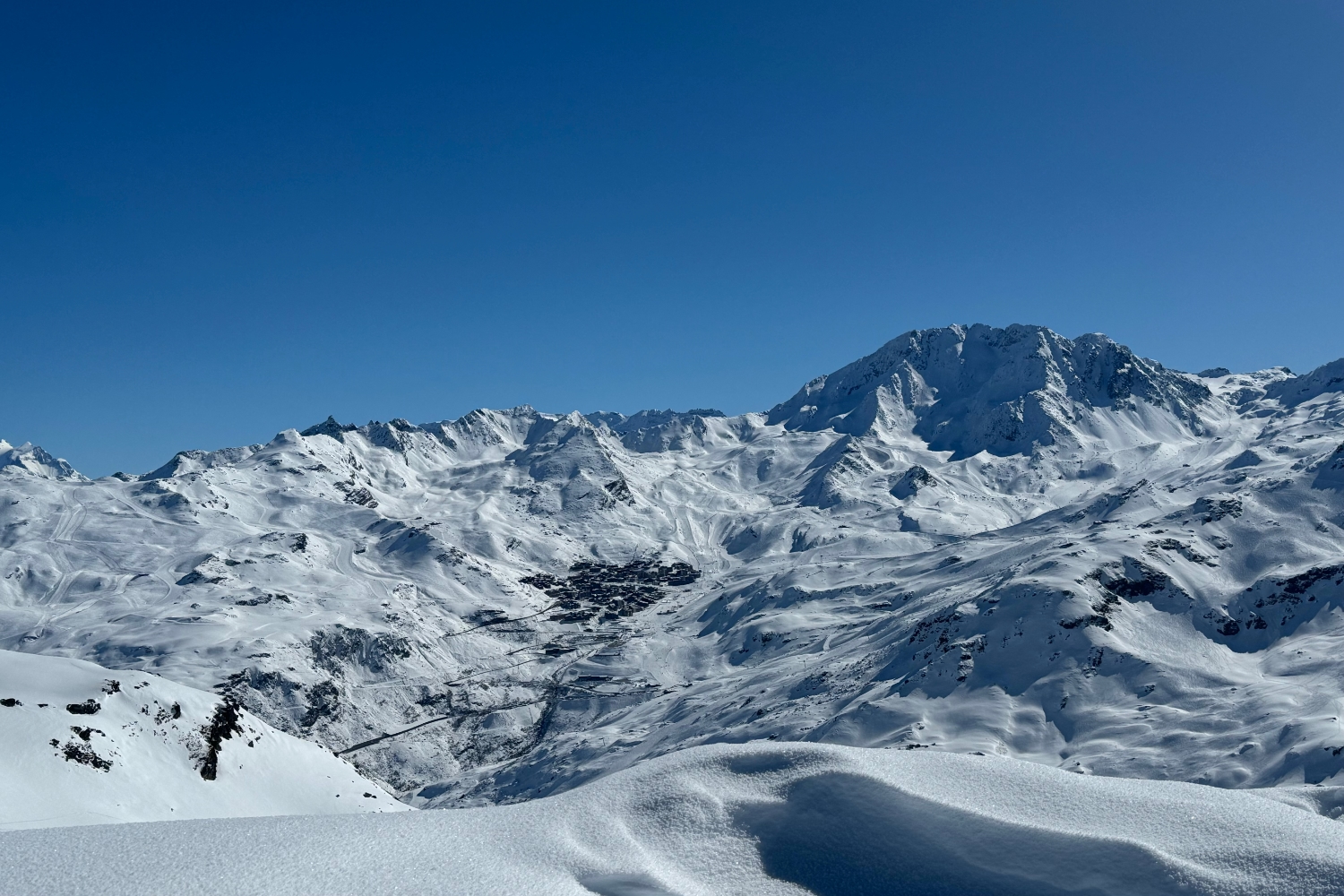
Val Thorens may now be one of the world’s best-known ski resorts, but little more than fifty years ago it didn’t exist. Built at 2,300 metres in the remote upper Belleville Valley, its story is one of ambition, engineering and a bold vision that created Europe’s highest ski resort.
During the 1960s, skiing was becoming increasingly popular across France. Following the success of resorts such as Courchevel and Les Menuires, attention turned higher into the Belleville Valley. Many believed the altitude was simply too extreme. Long winters, heavy snowfall and harsh mountain conditions made construction a huge challenge. But planners also recognised the enormous advantage such altitude would offer: exceptional snow reliability throughout the winter. Construction began in 1969, and two years later Val Thorens officially welcomed its first visitors.
Creating a resort at 2,300 metres was no easy task! Roads had to be carved into the mountainside, buildings designed to withstand extreme winter conditions and a modern lift network constructed to connect the surrounding peaks. From the beginning, convenience was a key priority. Accommodation was built close to the pistes, allowing visitors to maximise their time on the snow—a concept that remains one of Val Thorens’ greatest strengths today. As Val Thorens developed, it became an essential part of the growing Three Valleys ski area. Today, the interconnected network links Val Thorens with Méribel, Courchevel, Les Menuires, Saint Martin de Belleville and Orelle, forming the world’s largest linked ski area with around 600km of pistes. For visitors, this means an enormous variety of skiing across different valleys and resorts, all on one lift pass.
A Timeline of Val Thorens
Here are some of the milestones that helped shape the resort we know today.
- 1964 – French ski pioneer Pierre Schnebelen first proposes developing the upper Belleville Valley into a high-altitude ski resort. The idea is considered ambitious due to the extreme mountain environment and challenging weather conditions.
- 1969 – Construction officially begins. Roads are carved into the mountainside, the first accommodation is built and work starts on the initial lift infrastructure that will form the foundations of Europe’s highest ski resort.
- 1971 – Val Thorens officially opens to skiers, becoming the highest purpose-built ski resort in Europe at an altitude of 2,300 metres.
- 1980 – The first purpose-built sports centre is built, reflecting the resort’s ambition to offer much more than skiing alone.
- 1983 – Val Thorens becomes fully connected to the rapidly expanding Three Valleys (Les Trois Vallées) ski area, allowing skiers to access Méribel, Courchevel, Les Menuires and Saint-Martin-de-Belleville on a single lift pass.
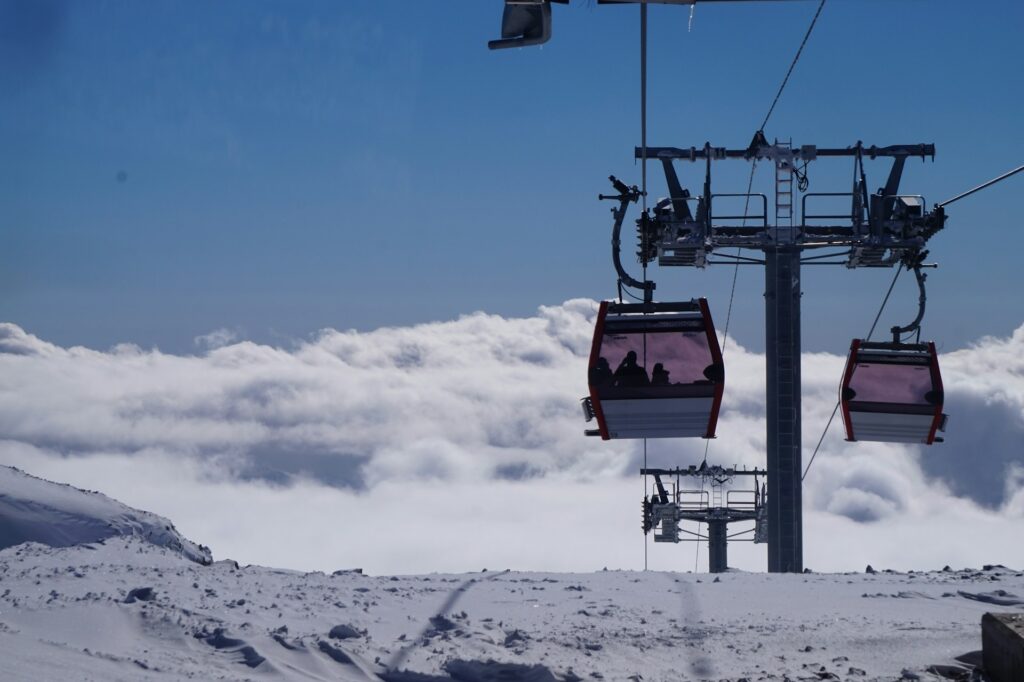
- 1990s – Major investment transforms the resort, with improved accommodation, modern chairlifts and gondolas replacing many of the original installations as visitor numbers continue to grow.
- 2000 – Val Thorens becomes one of the first Alpine resorts to place significant emphasis on pedestrian-friendly planning, improving safety and convenience for visitors staying close to the slopes.
- 2013 – The resort is recognised internationally after being named World’s Best Ski Resort at the World Ski Awards, an accolade it has gone on to win multiple times.
- 2021 – Val Thorens celebrates its 50th anniversary, marking half a century of welcoming skiers from around the world while reflecting on its remarkable transformation from an empty mountain valley into one of Europe’s leading ski destinations.
- Today – The resort continues to invest in modern lift systems, sustainable tourism and visitor facilities while remaining one of the most snow-sure ski destinations in Europe thanks to its exceptional altitude and access to the world’s largest linked ski area.
Unlike many traditional Alpine villages that evolved over centuries, Val Thorens has continued to reinvent itself. Lift systems are regularly upgraded, accommodation is continually modernised and investment in sustainability has become increasingly important. New high-capacity lifts, improved snowmaking and continued investment in the resort have helped Val Thorens evolve while maintaining the high-altitude skiing for which it is known.
Although Val Thorens is well known for its vibrant nightlife, there’s far more to the resort than après ski.
It has earned the Famille Plus label for its commitment to welcoming families, offers extensive facilities for beginners and attracts elite athletes from around the world thanks to its high-altitude training environment. Whether you’re visiting for the skiing, the scenery or the atmosphere, Val Thorens caters for every type of winter holiday. More than fifty years after welcoming its first skiers, Val Thorens has become one of the best-known high-altitude resorts in the Alps. Its combination of reliable snow, modern infrastructure and unrivalled access to the Three Valleys has made it one of Europe’s most sought-after ski destinations, attracting visitors from across the globe every winter. It’s remarkable to think that an ambitious idea conceived in the late 1960s has grown into one of the Alps’ most iconic resorts.
Planning a ski holiday to Val Thorens?
If you’re planning your next ski holiday in Val Thorens, I’d love to help you find the right chalet for you. Get in touch and let me help you create a holiday that you will absolutely love.